
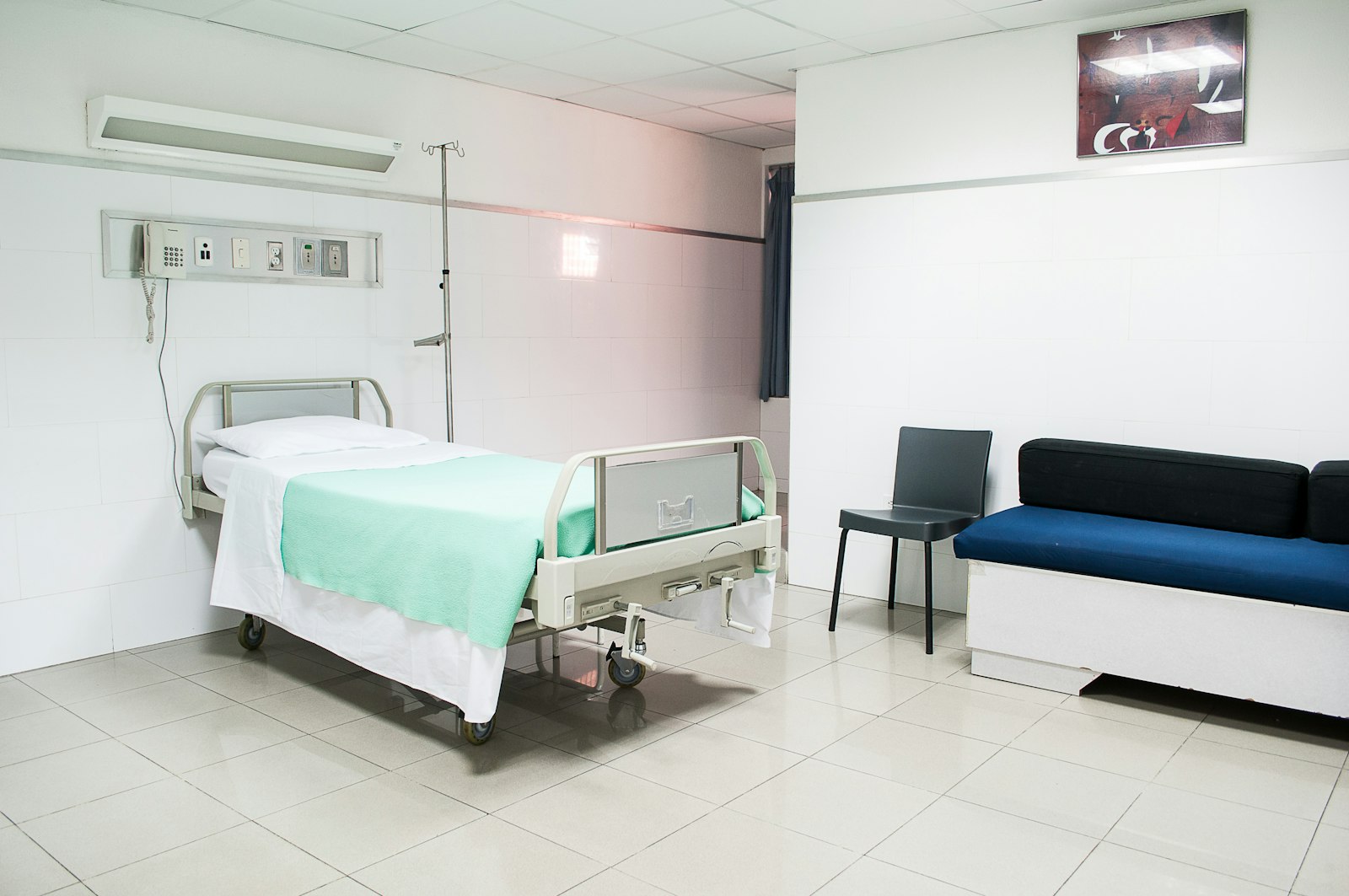
Surveys have found that three in four people with Parkinson’s admitted to hospital do not get their medication at their usual times. Wards typically hand out medication on a fixed round every three to four hours, and that can be quite different from the individual dosing schedule you and your neurologist have tuned over years. Because of it, two in three were reported to have run into avoidable problems — falls, confusion, a longer stay than needed. Whether the admission is planned surgery or an emergency, the more you prepare in advance, the smaller that risk gets.
Bring your own medication schedule
Print out the names, doses and exact times of everything you take, hand it directly to the doctors and nurses looking after you, and say plainly that these doses need to be given at these times. A schedule you’ve written out in advance saves a lot of explaining at the bedside. If you can, bring about two days’ worth of your own medication in its original containers as well, so you can stay on time even before the hospital pharmacy has yours ready.
Some medications have to be avoided
Where Parkinson’s medications — levodopa and dopamine agonists — top up the dopamine you’re short of, some gut, antipsychotic and anti-dizziness drugs do the opposite: they are dopamine blockersA medication that blocks dopamine receptors, working in exactly the opposite way to a dopamine agonist. The ones to know are anti-nausea and gut-motility drugs such as metoclopramide and prochlorperazine, and antipsychotics such as amisulpride, olanzapine, risperidone, aripiprazole, chlorpromazine and haloperidol. Given to someone with Parkinson's they can worsen symptoms sharply.Learn more. The ones to know are metoclopramide and prochlorperazine, prescribed very commonly for nausea and gut symptoms by specialties other than neurology, and antipsychotics such as amisulpride, olanzapine, risperidone, aripiprazole, chlorpromazine and haloperidol, which can worsen symptoms sharply. Given without anyone realizing, they can be dangerous — so take a written “medications to avoid with Parkinson’s” list with you for the emergency department and ward staff, and mention it at appointments in other specialties too, gastroenterology and ENT included.
If you’re having surgery, check these three things
- Ask to be first on the list that day if possible. Agree with the anesthesiology team in advance whether you can keep taking your Parkinson’s medication with a small sip of water even while nil by mouth (NPO) — that keeps symptoms from building if the wait before surgery runs long.
- If you have a deep brain stimulation (DBS) device, say so in advance.Surgery that places thin electrodes deep in the brain to deliver continuous fine electrical stimulation. It is considered when medication alone no longer controls symptoms well.Learn more Because surgical equipment can cause electromagnetic interference, the device is often switched off beforehand.
- Get back on your usual medication as fast as possible afterward. Restarting by the evening of the operation itself is best — going a long time without it can lead to dangerous problems such as severe akinesia. Among anesthetic agents, phenothiazinesA class of medication long used in psychiatry as antipsychotics and anti-nausea drugs (chlorpromazine among them). They block dopamine receptors, so they can sharply worsen symptoms in people with Parkinson's.Learn more can worsen symptoms and should be avoided, and it is worth telling the anesthesiology team that opioid painkillers need care too, because of the risk of respiratory depression, muscle rigidity and hallucinations.
Emergencies come without warning
Unlike planned surgery, an emergency department visit leaves almost no time to prepare. If you arrive after a fall or a sudden worsening, drowsy or struggling to speak, you may not be able to explain that you have Parkinson’s and need specific doses at specific times. Keeping a card with your diagnosis, medications and your care team’s contact details in your wallet or on your phone’s lock screen — or wearing a medical ID bracelet or necklace — means staff can pick that up without you saying a word. If a family member usually comes with you, share the medication schedule and the avoid list with them in advance so they can hand it over on your behalf.
Call the ward ahead of time
If you can, once an admission or an operation is scheduled, contact your neurology team and ask whether they can talk to the admitting hospital and ward staff about your dosing times and the medications to avoid. This matters even more when the hospital admitting you isn’t the one you normally attend.
What you can do now
A medication schedule, a list of drugs to avoid, and a bag with two days of your own medication in it. Have those ready and you can face both a planned operation and a sudden admission far more calmly.
This article is not a substitute for medical diagnosis or treatment. Specific decisions about surgery and anesthesia belong with your neurologist and the anesthesiology team.