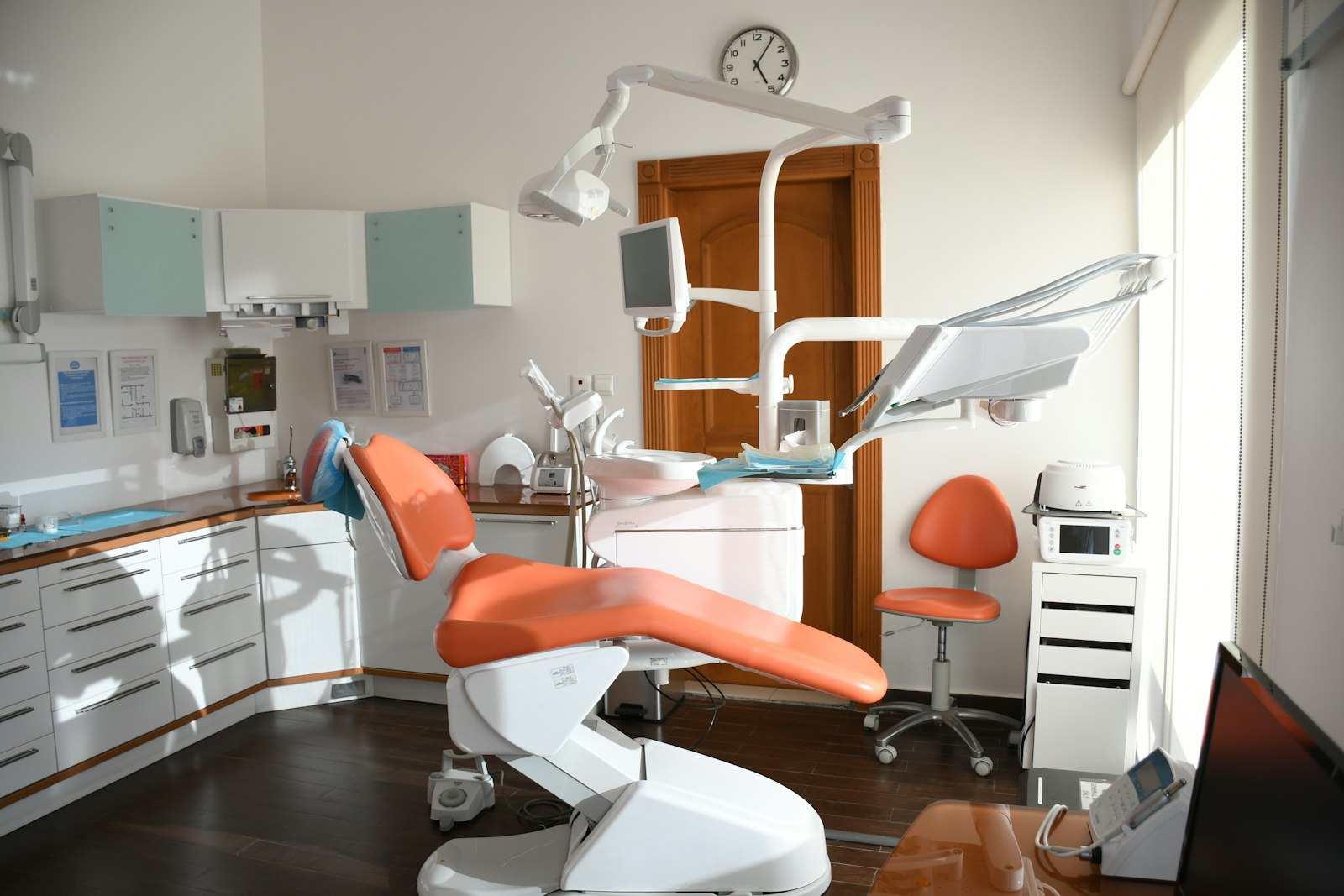
Sitting in a dental chair for a long stretch with your mouth open is not a small thing when you have Parkinson’s. Tremor can make holding your mouth still difficult, difficulty swallowing raises the worry of choking, and if the medication wears off mid-treatment, stiffness makes even shifting position hard. A few things arranged in advance make the whole visit much easier.
Book for when your medication is working best
Aim for the window when your medication is at its most effective, usually around two to three hours after a dose. For most people the early morning is when symptoms are mildest. Keep the appointment under 45 minutes, and if you need several procedures, splitting them across visits is easier than doing everything in one long session. Because the stretch of good medication response gets shorter as Parkinson’s progresses, tell the practice when you book that you have Parkinson’s and would like shorter appointments spread out.
Know about dry mouth
Some Parkinson’s medications — anticholinergics such as trihexyphenidyl, and some antidepressants and bladder medications — cause dry mouth, which raises the risk of tooth decay and gum disease. If your mouth is often dry, ask your care team whether the medication is the cause and whether it can be changed. Sugar-free gum or candy and artificial saliva substitutes can help, and so do the basics: brushing and flossing at least twice a day, and sipping water often.
If swallowing is difficult, ask them to sit you up
Reclining the dental chair too far raises the risk of choking if swallowing is already difficult. Before treatment starts, ask them not to tilt the chair past about 45 degrees, and say in advance that you need to take rinsing slowly.
Give your dentist your medication list
Share your full list of Parkinson’s medications, levodopa included, with the dental team. It is especially important to mention a MAO-B inhibitorA medication that inhibits monoamine oxidase B, slowing the rate at which dopamine is broken down in the brain. Selegiline and rasagiline are the main examples. Interactions with the epinephrine in local anesthetics were once a significant concern, but more recent work suggests serious problems are unlikely at standard doses.Learn more (selegiline or rasagiline). Interaction with the epinephrine in local anesthetics was once a significant concern; more recent work suggests serious problems are unlikely at standard doses. Even so, telling the dentist in advance lets them adjust the dose carefully.
If brushing is hard, change the tool
If tremor makes it difficult to move a toothbrush precisely, try an electric brush or one with a thick handle. As our article on choosing mobility and daily-living aids covers, a small change of tool often makes managing on your own far easier. If it is genuinely too difficult alone, having someone at home help, or booking regular professional cleanings, spreads the load.
Why putting off the dentist backfires
Several studies report that people with Parkinson’s have more gum disease and tooth decay. The exact figures vary widely between studies, from 20% to 94%, so no single number should be treated as settled. What is clear is that brushing and flossing get harder as hand control changes — which means “the dentist is too much hassle” is exactly the reasoning that lets a small problem grow. Rather than avoiding appointments because they’re uncomfortable, use the steps above to make them easier and keep going regularly. Over the long run that is much the better trade.
What you can do now
When you book your next dental appointment, mention your diagnosis, your medication list and the time of day you’d prefer. The more the dental team knows in advance, the less of the visit is uncomfortable.
This article is not a substitute for medical diagnosis or treatment. Check how your medications interact with dental treatment with your care team and your dentist.