Constipation is one of the most common non-motor symptoms in Parkinson’s disease. It lines up with the Braak hypothesisA hypothesis that in some people alpha-synuclein starts clumping in the gut or the olfactory nerve before it does in the brain, then slowly travels up to the brain along the vagus nerve.Learn more described in why Parkinson’s happens — the idea that the nerves in the gut are affected before the brain is. That helps explain why constipation often appears years, sometimes more than a decade, before motor symptoms such as hand tremor.
Medications can make it worse too
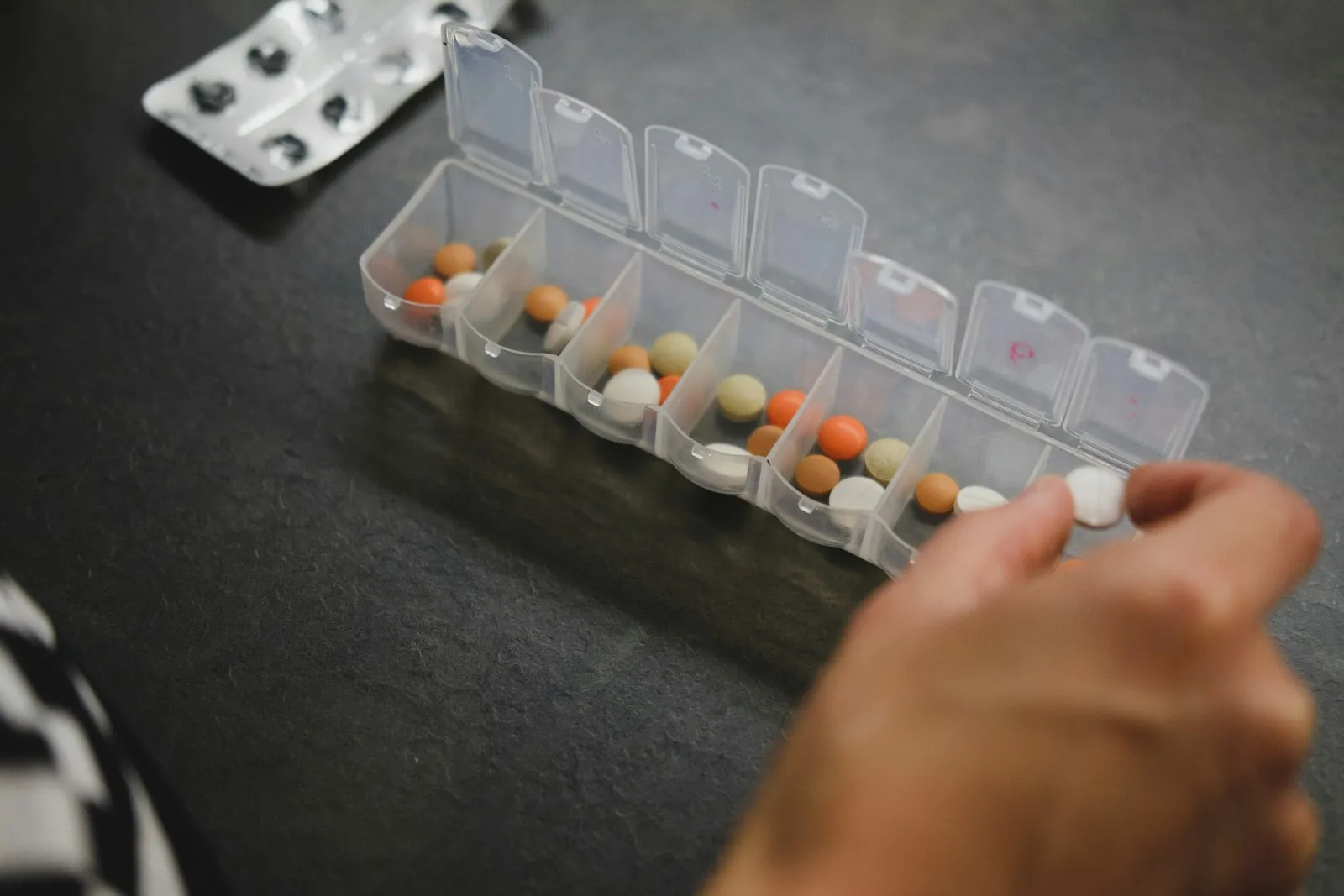
Parkinson’s itself slows the movement of the gut, but so can medications you may be taking for pain or other symptoms — in particular pain relievers (especially opioids) and anticholinergic drugs. If your constipation suddenly got worse, it is worth checking whether you recently started something new.
The basics of managing it
- Try to drink at least six glasses of water (about 1.4 liters) a day. Not getting enough fluid makes constipation worse. Caffeine and alcohol actually pull fluid out of you, which can make it worse still.
- Aim for about 20 to 35 g of fiber a day. The fiber in vegetables, fruit and whole grains makes stool bulkier and softer, which helps it pass. A typical diet often only gets to about 15 g a day, so this may take more attention than you would expect.
- Move your body every day. Regular exercise also helps stimulate the movement of the gut.
- Try going at the same time each day. Building a routine around a relaxed moment, such as after a meal, makes it easier for your body to respond at that time.
- Increase fiber gradually rather than all at once. Adding too much at once can leave you gassy or even more uncomfortable. Building it up over several days is the safer approach.
If fluids and fiber don’t help, something else may be going on
If water and fiber don’t make a difference, the cause may be something other than a slow-moving gut. Many people with Parkinson’s have what is known as outlet-type constipation, where the pelvic floor muscles that should help stool pass fail to relax properly at the moment you push — so even when the stool has made it all the way down, it doesn’t come out. In this situation adding more fiber doesn’t help much, and can leave you gassier and more uncomfortable. Biofeedback therapy, which trains those muscles while you watch how they are actually moving in real time, is known to work better for this type. So if you have given fluids, fiber and exercise a fair try without improvement, this possibility is worth raising with your care team.
Probiotics are worth considering
Some research suggests that probiotic and prebiotic supplements, which adjust the balance of gut bacteria, can help reduce constipation. They tend to have few side effects, so they are reasonable to try alongside other measures — but talk with your care team about which product suits you.
Don’t leave it alone if it gets worse
If constipation persists despite everything you try, it can lead to fecal impaction. If passing stool is getting progressively harder, if you go several days without a bowel movement, or if you have severe abdominal pain, tell your care team rather than waiting it out. You may need an enema or a suppository, and it is also a chance to review whether one of your other medications is making the constipation worse.
This article is not a substitute for medical diagnosis or treatment. If your constipation is severe or has gone on for a long time, please talk with your care team.